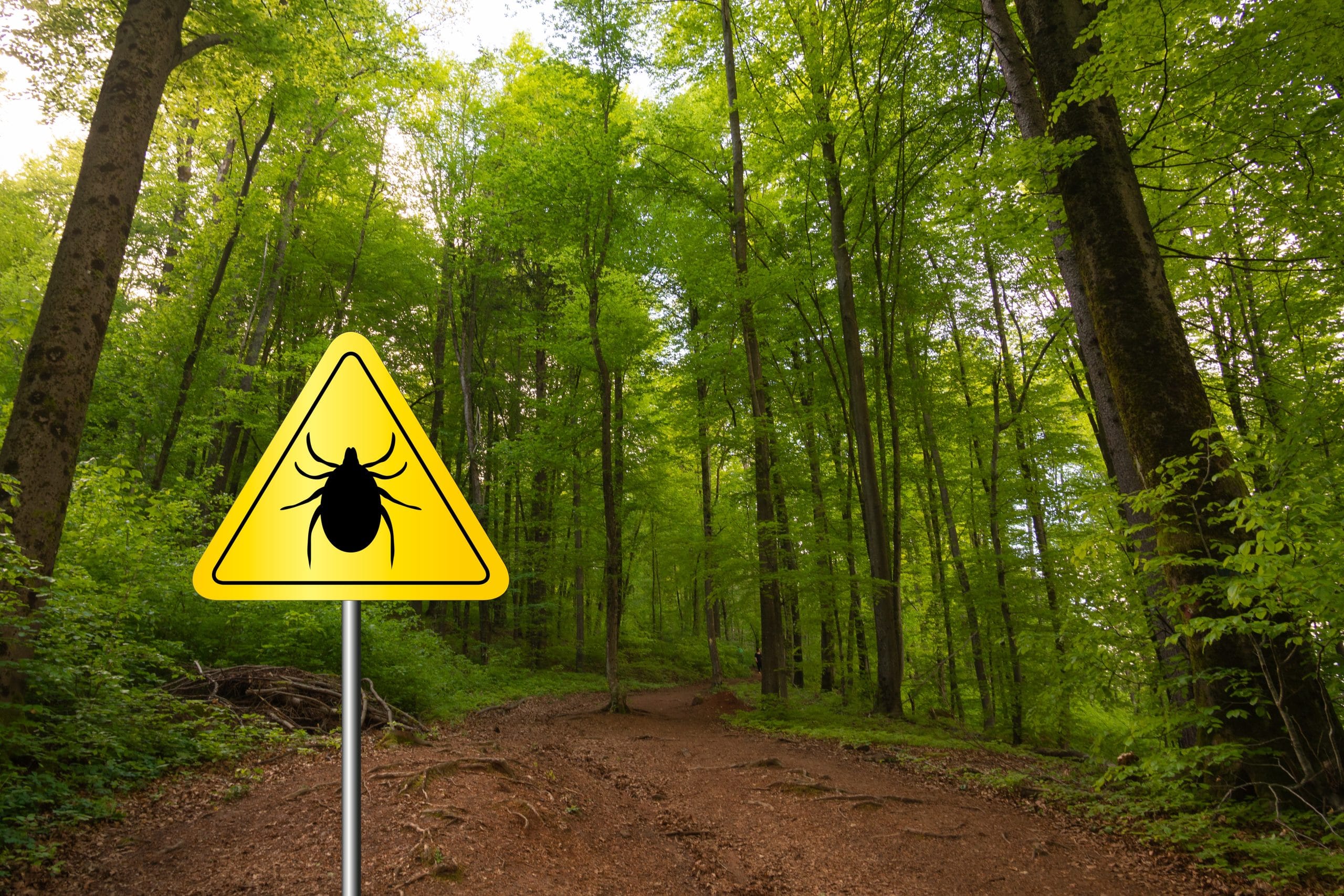
Ticks can transmit more than one type of infection, which is why understanding tick-borne coinfections can be important when evaluating symptoms after a potential tick exposure. Lyme disease is one of the most recognized tick-borne illnesses, but it can occur alongside other infections, including Babesiosis.
Babesiosis and Lyme disease are caused by different types of organisms, but they can be transmitted by some of the same ticks. When both infections occur in the same person, symptoms can overlap and the overall health picture may become more complicated.
What Is Babesiosis?
Babesiosis is a tick-borne illness caused by microscopic parasites of the Babesia genus. These parasites infect red blood cells and can be transmitted through the bite of an infected tick.
Some people with Babesiosis may have mild symptoms or no symptoms at all, while others can become significantly ill. Common symptoms may include:
- Fever and chills
- Fatigue
- Weakness
- Headache
- Muscle or body aches
- Sweating
- Loss of appetite
- Nausea
Because Babesiosis affects red blood cells, it can sometimes cause hemolytic anemia. More severe illness is possible, particularly in people who are older, immunocompromised, or have certain underlying health conditions.
How Is Babesiosis Related to Lyme Disease?
Lyme disease is caused by Borrelia bacteria, while Babesiosis is caused by a parasite. Although they are different infections, both can be transmitted by certain species of blacklegged ticks.
This creates the possibility of a person being exposed to both infections from the same tick or through separate tick exposures.
When Lyme disease and Babesiosis occur together, the symptoms of each infection may overlap. Fatigue, headaches, fever, chills, body aches, and weakness can occur with both illnesses.
Why Can a Lyme and Babesiosis Coinfection Be Difficult to Recognize?
Symptoms alone cannot always distinguish one tick-borne infection from another. A person may also have symptoms that change over time, making it difficult to identify a specific cause without appropriate evaluation.
Another challenge is that many people do not remember being bitten by a tick. Ticks can be extremely small, and their bites may go unnoticed.
A healthcare professional may consider a person’s potential tick exposure, location, symptoms, timing, medical history, and appropriate laboratory testing when evaluating possible tick-borne infections.
What Are the Risk Factors for Babesiosis?
Babesiosis is more common in certain regions of the United States, particularly parts of the Northeast and Upper Midwest. Risk can increase when spending time in wooded, brushy, or grassy areas where ticks are present.
Certain individuals are also at greater risk of developing severe Babesiosis. These can include people without a spleen, people with weakened immune systems, older adults, and individuals with certain underlying health conditions.
What Should You Do After a Potential Tick Exposure?
If you develop fever, fatigue, chills, body aches, or other unexplained symptoms following possible tick exposure, talk with a qualified healthcare professional.
Even if you never noticed a tick bite, mention outdoor activities or other potential exposures. Keeping track of when symptoms began and whether they have changed can also provide useful information.
Because Lyme disease can occur alongside Babesiosis and other tick-borne infections, understanding the possibility of coinfections may be an important part of a comprehensive evaluation.
At Functional Healing with Dr. Tara, we believe looking at the whole picture can be valuable when navigating complex health concerns. If you are concerned about Lyme disease, Babesiosis, or another tick-borne infection, an individualized evaluation can help determine what next steps may be appropriate.