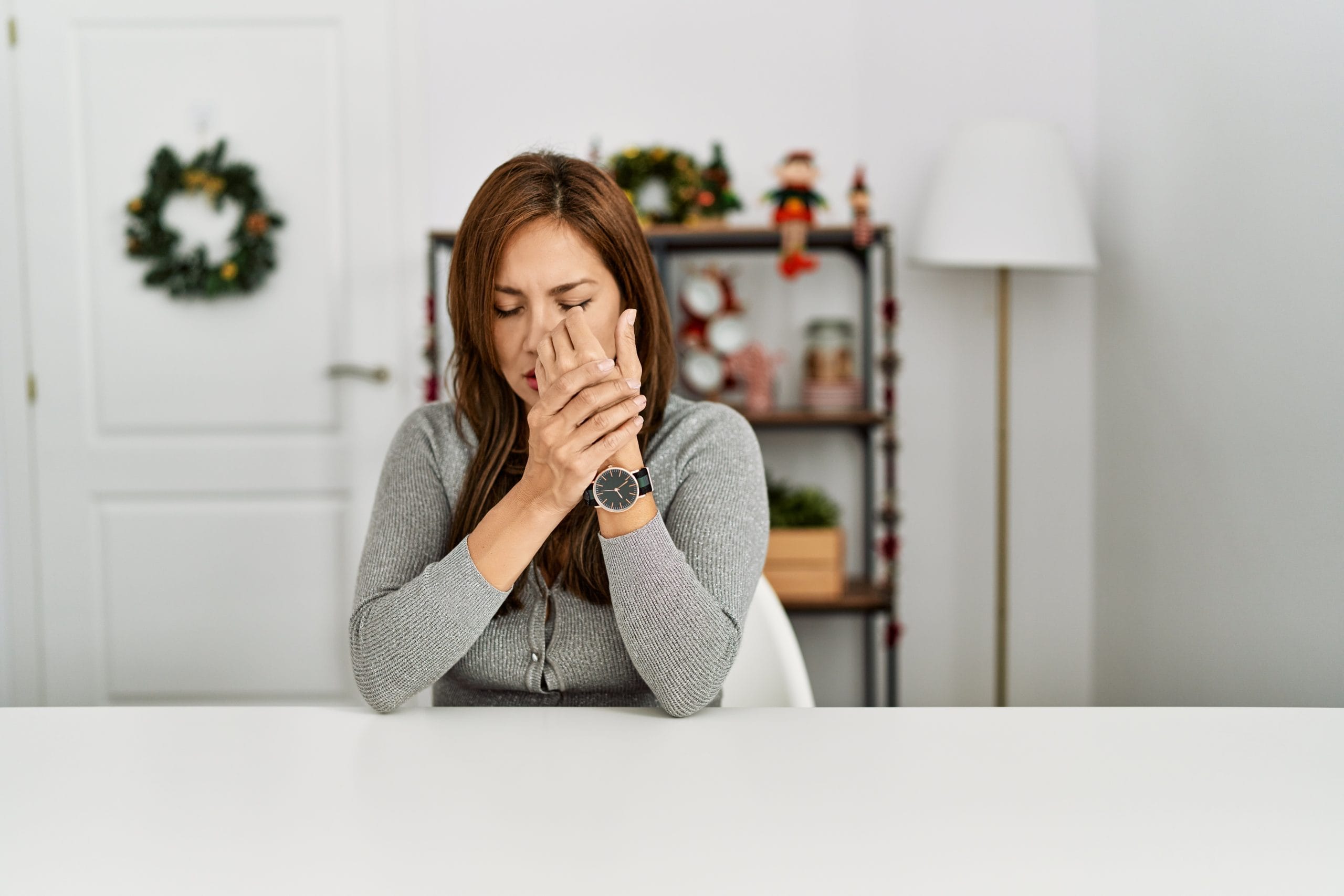
The holiday season is meant to be joyful—full of family gatherings, festive meals, twinkling lights, and traditions that bring warmth to the winter months. But for individuals living with chronic Lyme disease, the holiday rush can have a very different impact. Increased stress, disrupted routines, rich foods, travel, colder weather, and decreased rest can all trigger a flare or intensify symptoms.
If you’re navigating Lyme in December, you are not alone, and you’re not imagining the increased challenges this season brings. The combination of emotional, physical, and environmental stressors can overwhelm even a healthy body—so for those with Lyme or co-infections, it requires extra intention and care.
The good news? With the right strategies, you can participate in the season, enjoy meaningful moments, and stay grounded in your healing. Below, Dr. Tara shares holistic guidance to help you protect your well-being, reduce flare frequency, and stay balanced during this busy time of year.
Why Lyme Symptoms Often Worsen During the Holidays
Understanding the “why” can help you better anticipate flares and prevent them before they peak. Some of the most common holiday-related triggers include:
1. Increased Physical Stress
Running errands, traveling, standing for long periods, or simply being more active than usual can place additional strain on your already taxed immune and nervous systems.
2. Emotional Stress & Overstimulation
Holiday gatherings—while joyful—can be overwhelming. Noise, social pressure, sensory overload, or family dynamics can spike cortisol, and cortisol spikes often worsen inflammation and symptoms.
3. Changes in Routine
Sleep, supplements, hydration, meal times, and movement habits tend to shift during the holidays. Even small disruptions can accumulate quickly.
4. Cold Weather
Many Lyme patients are temperature-sensitive. Cold, damp air can increase joint stiffness and nerve pain or slow lymphatic flow.
5. Dietary Changes
Sugar, gluten, alcohol, and processed holiday foods can trigger inflammation, yeast overgrowth, and immune dysregulation.
6. Travel Exposures
From disrupted sleep to airplane germs to dehydration, travel is a major flare risk.
Knowing these patterns allows you to plan ahead intentionally—reducing the likelihood that your holidays derail your healing.
How to Prepare for the Holidays When You Have Lyme
1. Create a “Holiday Healing Plan”
A personalized plan helps you set boundaries and stay consistent with your healing habits. Consider outlining:
- Your supplement schedule
- Your meal preferences or restrictions
- Rest time each day
- Non-negotiable self-care (detox practices, hydration, movement, etc.)
- How many events you can realistically attend
Stick to this plan the way you would stick to a doctor appointment—because your well-being is just as important.
2. Communicate Your Needs Early
Share your limitations with trusted family members or friends. You don’t need to justify your symptoms; simple phrasing like:
“I’d love to join, but I may need to step away and rest.”
or
“This year I need to keep things low-stimulation, but I’m excited to spend time together.”
Clear communication protects your boundaries and reduces stress.
3. Prioritize Your Energy Using the “Spoon Theory”
Holiday energy is limited. Before committing to anything, ask:
- Will this drain me or fill me?
- Can someone else help?
- Is this essential, or can it be skipped this year?
Conserving energy proactively helps prevent flares before they begin.
Managing Lyme Symptoms During Holiday Events
1. Keep Detox Pathways Moving
Holiday stress often leads to a backlog of toxins, which worsens inflammation and flare intensity. Keep your detox pathways open with:
- Epsom salt baths
- Gentle movement
- Infrared sauna sessions
- Dry brushing
- Hydration with electrolytes
- Lemon water
- Lymphatic massage or self-massage
Even doing one or two consistently can make a noticeable difference.
2. Support Your Nervous System in Real Time
Your nervous system is deeply sensitive when healing from Lyme. Use calming tools throughout the day:
- Slow nasal breathing
- Legs-up-the-wall pose
- 5-minute meditation breaks
- Noise-canceling headphones
- Magnesium supplementation (as directed)
- Short walks outside for grounding
The calmer your nervous system, the fewer symptoms you’ll experience.
3. Bring Your Own Food When Possible
Many holiday dishes are loaded with sugar, gluten, and inflammatory oils. Consider bringing:
- A protein and healthy fat option you can rely on
- A dessert that won’t trigger symptoms
- A snack pack for gatherings where timing is unpredictable
Your body will thank you—and you’ll avoid the guilt or discomfort of eating something that doesn’t serve your healing.
4. Stay Hydrated (More Than You Think You Need To)
Holiday travel, salty foods, and dry indoor heating all cause dehydration. Dehydration increases:
- Headaches
- Dizziness
- Fatigue
- Joint pain
- Detox issues
Aim for half your bodyweight in ounces daily, plus electrolytes.
How to Reduce Stress & Avoid Overstimulation
1. Create Sensory Breaks
At busy events:
- Step outside for fresh air
- Sit in a quieter room
- Take deep belly breaths
- Use grounding techniques (touch a stable surface, slow breaths, or awareness exercises)
These micro-breaks reset your brain and help prevent flares.
2. Give Yourself Permission to Leave Early
You don’t need to “push through” the entire event. Your body is communicating with you. Listening is an act of self-respect.
3. Build Quiet Days into Your Schedule
Plan a recovery day after big events or travel. Use it for rest, gentle stretching, hydration, and your healing protocol.
Managing Lyme During Holiday Travel
Travel is challenging for most people—but for Lyme patients, it requires extra intentional care.
Before Traveling
- Pack supplements in labeled containers
- Bring electrolyte packets and non-perishable snacks
- Wear layers to regulate temperature
- Book aisle seats (for stretching breaks)
- Sleep well the night before
During Travel
- Sanitize frequently touched surfaces
- Drink water consistently
- Avoid alcohol on travel days
- Stretch every hour
- Use a neck pillow or lumbar support
After Travel
- Do a detox practice (bath, sauna, movement)
- Prioritize rest that night
- Hydrate aggressively
- Ease back into normal routines over 1–2 days
A post-travel recovery period helps prevent delayed flares.
How to Handle a Lyme Flare If One Happens
Even with the best preparation, flares can still occur—and you’re not failing if they do. Your body simply needs extra care.
1. Pause & Rest
The first and most important response. Rest allows your immune system to regulate rather than escalate symptoms.
2. Increase Detox Support
Epsom salt baths, hydration, gentle stretching, or lymphatic support can help reduce inflammation quickly.
3. Nourish Your Body
Choose anti-inflammatory foods like:
- Bone broth
- Lean proteins
- Steamed vegetables
- Berries
- Avocado
- Herbal teas (ginger, peppermint, chamomile)
Avoid sugar and processed foods during a flare to help stabilize your system.
4. Return to Your Baseline Protocol
If you have a daily Lyme protocol from Dr. Tara or another provider, stay consistent and avoid skipping doses during a flare.
5. Reduce Stimulation
Dim lights, slow breathing, reduce noise, and spend time in calming environments.
6. Be Gentle With Yourself
Flares are not setbacks—they are communication. Your body is asking for support, and listening is part of the healing process.
Creating a More Peaceful Holiday Season With Lyme
Here are a few final suggestions to help make this season more manageable and enjoyable:
Choose the events that matter most.
Not every invitation deserves a “yes.”
Add joy in small, sustainable ways.
Watching Christmas movies, lighting a candle, or driving through holiday lights are low-stress alternatives to large gatherings.
Protect your mental health.
Holiday pressure is real. It’s okay to simplify traditions, decline certain foods, or ask for accommodations.
Remember that healing doesn’t stop in December.
Your body still needs rest, nourishment, consistency, and compassion.
Celebrate your resilience.
You’ve navigated symptoms, flares, and challenges all year long. That strength deserves recognition—especially now.
Make an Appointment with Dr. Tara
Living with chronic Lyme disease during the holidays can feel overwhelming—but with a holistic strategy and intentional boundaries, you can create a season that feels peaceful and manageable. Functional healing is about listening to your body, honoring its needs, and supporting it through both joyful and stressful moments.
If you need personalized guidance, tailored protocols, or deeper support this season, Dr. Tara is here to help you navigate your healing with confidence and compassion.