For many people living with Lyme disease, healing isn’t always straightforward. You may begin treatment, make positive lifestyle changes, and still find yourself struggling with fatigue, brain fog, joint pain, or other lingering symptoms. If that sounds familiar, you may wonder whether something else is contributing to how you feel.
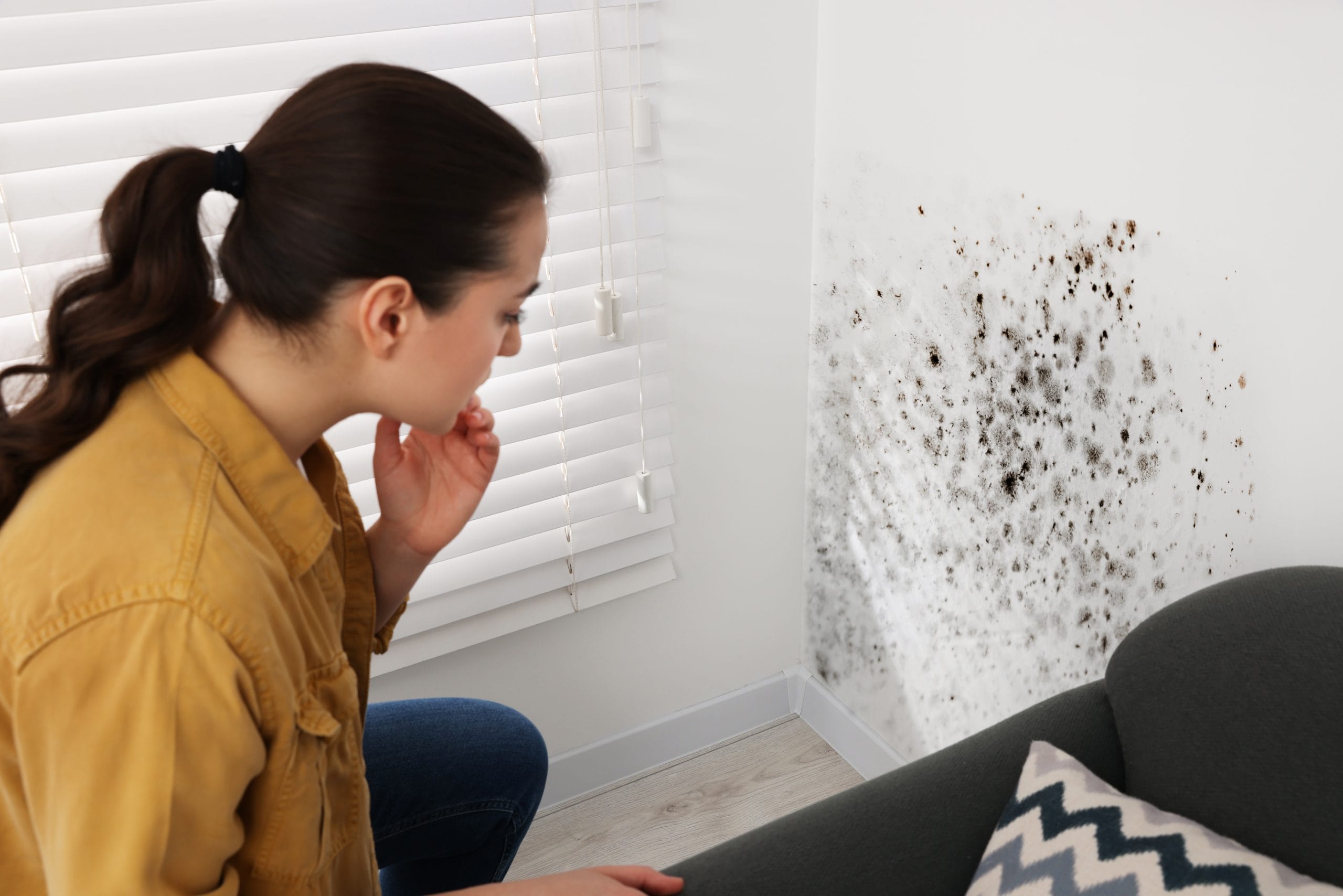
One factor that often comes up in functional medicine is mold exposure. While mold doesn’t cause Lyme disease, some individuals may be sensitive to mold or mycotoxins, and ongoing exposure may contribute to symptoms that overlap with or complicate Lyme disease recovery.
Understanding the potential relationship between Lyme disease and mold exposure can help you have informed conversations with your healthcare provider and determine whether additional evaluation may be appropriate.
What Is Mold Exposure?
Mold is a type of fungus that grows in damp, humid environments. It can be found both indoors and outdoors, but indoor mold is often associated with water damage, plumbing leaks, flooding, roof leaks, or areas with poor ventilation.
Some molds produce substances called mycotoxins, which may affect certain individuals more than others. Not everyone exposed to mold experiences health problems, and responses can vary significantly depending on genetics, overall health, immune function, the amount of exposure, and the type of mold involved.
Can Mold and Lyme Disease Cause Similar Symptoms?
Yes. One reason mold exposure can be difficult to recognize is that many of its reported symptoms overlap with those commonly experienced by people with Lyme disease.
These symptoms may include:
- Fatigue
- Brain fog
- Memory problems
- Difficulty concentrating
- Headaches
- Joint pain
- Muscle aches
- Sinus congestion
- Sleep disturbances
- Mood changes
- Increased sensitivity to environmental triggers
Because these symptoms are not unique to either condition, it’s important to avoid self-diagnosing. A comprehensive evaluation is the best way to determine what may be contributing to your health concerns.
Why Might Mold Matter During Lyme Disease Recovery?
Functional medicine recognizes that multiple factors can influence how the body functions and heals. For some individuals, ongoing exposure to mold may place additional stress on the immune system or contribute to inflammation, making it more difficult to feel their best.
This doesn’t mean mold exposure is responsible for persistent Lyme disease symptoms in every case. However, when symptoms continue despite appropriate care, healthcare providers may consider whether environmental factors are playing a role.
Every person’s situation is unique, which is why personalized evaluation is so important.
Signs That Mold Exposure May Be Worth Discussing
You don’t need to panic if you’ve been around mold, but certain situations may warrant a conversation with your healthcare provider.
Consider discussing mold exposure if:
- Your symptoms worsen when you’re in a particular building.
- You recently experienced flooding or water damage in your home.
- You notice a persistent musty odor indoors.
- Visible mold is present.
- Your symptoms improve when you’re away from your home or workplace.
- You continue experiencing unexplained symptoms despite treatment.
These situations don’t automatically mean mold is causing your symptoms, but they may provide helpful information during a comprehensive health evaluation.
Common Sources of Indoor Mold
Mold often grows in areas where moisture is present.
Common locations include:
- Bathrooms
- Basements
- Crawl spaces
- Attics
- Under sinks
- Around windows
- Water-damaged drywall
- HVAC systems
- Laundry rooms
Because mold can grow behind walls or beneath flooring, it isn’t always visible.
Supporting a Healthy Indoor Environment
While you can’t eliminate every mold spore from your environment, there are practical steps you can take to reduce excess moisture and discourage mold growth.
These include:
- Repairing plumbing leaks promptly.
- Addressing roof leaks or water damage.
- Using exhaust fans in kitchens and bathrooms.
- Keeping indoor humidity below recommended levels.
- Cleaning and maintaining HVAC systems.
- Drying water-damaged materials quickly.
If significant mold contamination is suspected, professional remediation may be necessary.
Why Personalized Care Matters
Persistent symptoms are rarely explained by a single factor.
People living with Lyme disease may also be dealing with nutritional deficiencies, chronic stress, poor sleep, gut health concerns, hormonal imbalances, co-infections, or environmental exposures. Looking at only one piece of the puzzle may overlook other important contributors to overall health.
Functional medicine takes a whole-person approach by evaluating multiple systems rather than focusing only on one diagnosis.
A Functional Medicine Approach to Lyme Disease
At Functional Healing with Dr. Tara, we recognize that every patient’s healing journey is different.
Rather than assuming persistent symptoms have a single explanation, functional medicine seeks to understand the complete picture. This may include reviewing your medical history, lifestyle, nutrition, environmental exposures, sleep, stress, immune health, gut health, and other factors that may be influencing your well-being.
The goal isn’t simply to manage symptoms—it’s to better understand why they’re occurring and develop a personalized plan that supports your body’s natural healing processes.
When Should You Talk to a Healthcare Provider?
If you’re living with Lyme disease and continue experiencing persistent fatigue, brain fog, joint pain, or other symptoms despite treatment, it’s worth discussing your concerns with a qualified healthcare provider.
Likewise, if you suspect you’ve been exposed to significant mold in your home or workplace, bringing that information to your provider may help guide a more comprehensive evaluation.
Looking Beyond a Single Diagnosis
Healing from Lyme disease is often a journey, and for some people, multiple factors may influence how they feel from day to day. While mold exposure does not cause Lyme disease, understanding the role your environment may play in your overall health can be an important part of creating a personalized path forward.
At Functional Healing with Dr. Tara, we take a comprehensive, functional medicine approach to complex health concerns, helping patients uncover potential contributors to persistent symptoms and develop individualized care plans designed to support long-term wellness.